Bandhavgarh National Park is one of the most famous and biologically diverse wildlife sanctuaries in India, particularly renowned for its high density of Royal Bengal tigers. Located in the Umaria district of Madhya Pradesh, central India, this park is a favored destination for wildlife enthusiasts, nature lovers, and photographers from around the world.
Bandhavgarh National Park is one of the most celebrated national parks in India, primarily known for its high density of Royal Bengal tigers. It is located in the Vindhya Hills of central India and was declared a national park in 1968. What makes Bandhavgarh truly special is its unique blend of rich biodiversity, mythological history, and dense sal forests.
Key Highlights
Tiger Density - Highest in India (one of the best places to spot tigers in the wild).
Area - 1,536 sq km (core: 716 sq km, buffer: 820 sq km).
Famous Tigers - Charger, Sita, Bamera, and more recently, Spotty and Mahaman.
Historical Significance - Home to ancient Bandhavgarh Fort, believed to be over 2,000 years old.
History
Ancient History : The name Bandhavgarh means "Fort of the Brother" (Bandhav = Brother, Garh = Fort), referring to a legend that Lord Rama gifted the fort to his brother Lakshmana.
Historical Ruins : Contains stone carvings, inscriptions, caves, and shrines dating back to the 1st century BCE
Royal Hunting Ground : Formerly the private game reserve of the Maharajas of Rewa.
White Tiger Origin : The first white tiger, Mohan, was discovered here in 1951 by the Maharaja of Rewa. White tigers are not found in the wild here anymore.
Landscape & Terrain
Bandhavgarh is situated in the Vindhya Hills of central India, featuring a mix of dense forests, rocky hills, open meadows, bamboo groves, and grasslands. The landscape is hilly, with the Bandhavgarh Hill (highest point at 810 meters) dominating the region. Numerous streams and rivulets cut through the park, sustaining its rich biodiversity.
Bandhavgarh Fort
Atop the Bandhavgarh Hill lies the Bandhavgarh Fort, an ancient fortress believed to be over 2,000 years old. The name "Bandhavgarh" literally means "Fort of the Brother" and is linked to the Hindu epic Ramayana, where it is said that Lord Rama gifted this fort to his brother Lakshmana.
Surrounding the fort are ancient caves, inscriptions, and statues, some dating back to the 1st century BCE, revealing the area’s rich historical and cultural heritage.
Zones of the Park
Bandhavgarh National Park is divided into three core zones for tourism :
Core Zones (Safari zones)
Tala Zone : The most popular and richest in biodiversity (also where the fort is located).
Magadhi Zone : Known for a high number of tiger sightings.
Khitauli Zone : Good for birding and sloth bear sightings.
Buffer Zones
These include Dhamokhar, Johila, Panpatha, and others – less crowded and emerging as good alternatives for safari experiences.
Safari Information
Two safaris daily : Morning and evening
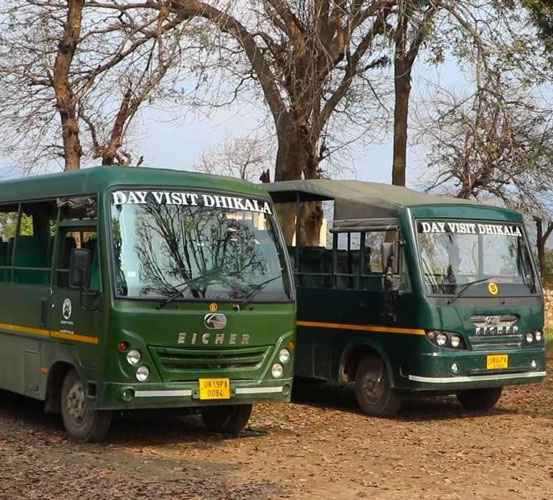
Mode : Open gypsy jeeps (6-seater), canters (larger vehicles)
Permit required : Advance booking recommended via the MP Forest Department portal
Guide mandatory : Naturalist or park guide accompanies every safari
Wildlife & Fauna
Tiger Territory
Bandhavgarh is most famous for having one of the highest tiger densities in India. It was the home of the legendary tiger Charger and later B2, two of the most photographed and studied wild tigers.
Key Mammals
- Bengal Tiger
- Leopard
- Sloth Bears
- Indian Gaur (reintroduced)
- Sambar Deer
- Spotted Deer (Chital)
- Wild Boar
- Barking Deer
- Indian Wolf (rare)
- Langurs & Rhesus Macaques
Reptiles
- Cobras
- Pythons
- Monitor Lizards
- Various species of geckos & skinks)
Birdlife
Bandhavgarh is also a birdwatcher’s paradise, with over 250 species of birds :
- Indian Peafowl
- Paradise Flycatcher
- Malabar Pied Hornbill
- Steppe Eagles
- Crested Serpent Eagle
- Kingfishers
- Bee-eaters
Flora & Landscape
The landscape is a mix of :
- Sal forests (dominant species).
- Bamboo groves.
- Mixed deciduous forests.
- Grasslands and open meadows.
The park terrain is varied, with steep ridges, open meadows, and dense forests. It lies in the Vindhya Hills, and the varied topography provides different habitats for wildlife.
Accommodation
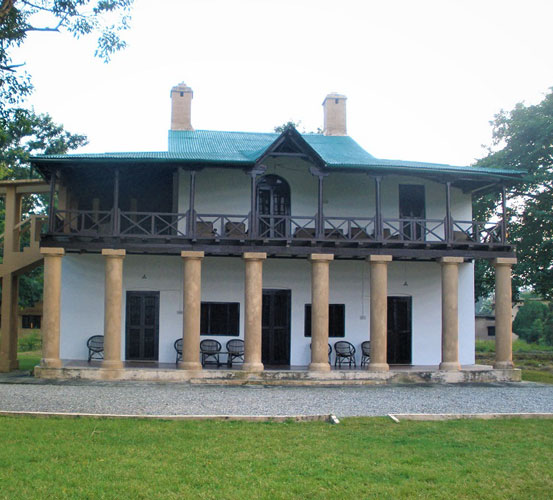
Lodges and resorts are available in all budgets in and around the Tala village and other entry gates :
- Luxury : Mahua Kothi (Taj), Tree House Hideaway
- Mid-range : Kings Lodge, Tiger Den
- Budget : Local guesthouses and eco-lodges
How to Reach
By Road : Well connected by road to Jabalpur, Satna, Katni, and Khajuraho
By Train : Nearest Railway Station : Umaria (35 km), Katni (100 km)
By Air : Nearest Airport : Jabalpur (165 km) or Khajuraho (230 km)