Overview
The Bijrani Safari Zone in Jim Corbett National Park is one of the most scenic and wildlife-rich areas, known for its dense Sal forests, expansive grasslands (chaurs), waterholes, and hilly terrain. Easily accessible from Aamdanda Gate, just a few kilometers from Ramnagar, it offers excellent opportunities to spot Bengal tigers, elephants, deer, and over 600 species of birds. Bijrani is ideal for day jeep safaris, with limited vehicles allowed per shift to ensure a peaceful experience. The zone is open from October to June and also offers forest rest house stays (Bijrani FRH & Malani FRH) for overnight visitors. Its combination of natural beauty, rich biodiversity, and proximity to Ramnagar makes Bijrani a favorite among wildlife enthusiasts and photographers.
Location & Landscape
Entry Point : Accessible via the Aamdanda Gate, located just 1–2km from Ramnagar. After entering, there’s a 5km buffer zone before you reach the core tourist region.
Topography : The zone features a mix of dense Sal forests, broad grasslands (chaurs), water bodies, and occasional rugged terrain—renowned for its serene ambiance.
Wildlife & Natural Beauty
Tiger Habitat : Considered one of the park’s most tiger-rich areas, offering high chances of Bengal tiger sightings.
Other Wildlife : Regular sightings include elephants, sloth bears, various deer species (Chital, Sambar, Hog Deer, Kakkar), as well as leopards, monkeys, and diverse birdlife.
Birding & Reptiles : Home to roughly 600 resident and migratory bird species. Reptilian sightings include pythons, cobras, kraits, and king cobras.
Safari Experience
Bijrani is highly favored for its jeep safaris, conducted twice daily—morning and evening—through designated forest routes. The safaris offer visitors a chance to explore the zone’s diverse habitats and encounter wildlife in their natural environment. What sets Bijrani apart is the availability of elephant-back safaris, one of the few places in Corbett where this traditional mode of forest travel is permitted, providing a unique perspective on the jungle.
Due to its accessibility and rich wildlife, Bijrani sees higher visitor traffic compared to other zones, but it maintains a balanced eco-friendly approach to tourism, preserving the natural habitat while allowing controlled human interaction.
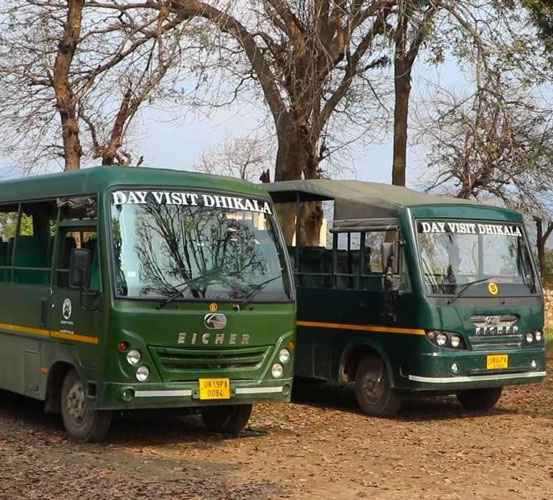
Mode of Visit : Primarily for day jeep safaris. Safari vehicles operate on fixed routes and hours, ensuring a balance between visitor experience and ecological preservation.
Vehicle Limit : Only 30 vehicles per shift (morning and evening) are allowed.
Safari Timings
Winter : Morning: ~07:00–10:00; Evening: ~14:00–17:30
Summer : Morning: ~06:00–09:30; Evening: ~15:00–18:30
Accommodation & Facilities
The Bijrani Safari Zone in Jim Corbett National Park offers two key accommodation options managed by the forest department: Bijrani Forest Rest House (FRH) and Malani FRH.
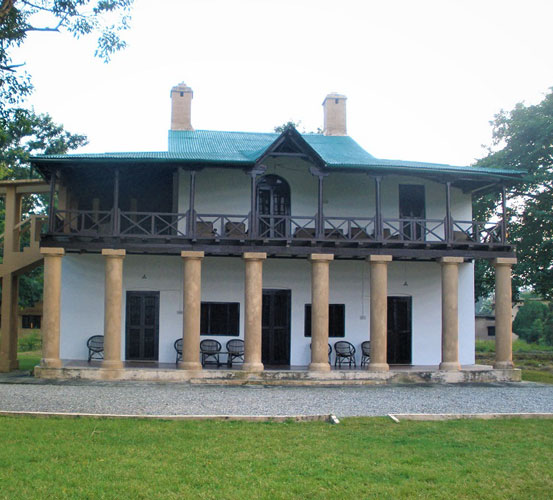
Bijrani FRH : Bijrani FRH, located about 12 km from Aamdanda Gate, is the primary and more popular stay option. It offers 6 rooms (4 double-bed, 2 single-bed) and a 4-bed dormitory, all with attached washrooms. Though there’s no regular electricity, solar-powered lights are available in the evenings, and hot water is supplied via a solar heating system. The rest house is inside a solar-fenced compound, ensuring guest safety. A government-run canteen on-site serves affordable, vegetarian buffet meals—non-veg food and alcohol are not allowed. Guests staying here get priority access to jeep safaris, and limited elephant safaris are also available.
Malani FRH : Malani FRH, located deeper inside the forest (around 12–16 km from Bijrani FRH), is a smaller, more secluded rest house with just 2 double-bed rooms. It doesn’t have a canteen, but a cook and kitchen facilities are provided—guests must bring raw food materials. Like Bijrani, it has solar power, attached washrooms, and a peaceful, remote setting, making it ideal for birdwatchers and solitude seekers.
Conservation and Visitor Guidelines
As part of Jim Corbett National Park, Bijrani falls under strict conservation regulations to protect its rich biodiversity. Visitors must adhere to rules such as staying inside vehicles during safaris, avoiding loud noises, and not disturbing the wildlife or vegetation. Alcohol and non-vegetarian food are prohibited within the rest houses and the park.
The forest department actively monitors tourism to ensure sustainable practices, making Bijrani a responsible choice for eco-tourists and nature lovers.