Rajaji National Park is a renowned wildlife sanctuary and national park located in the northern Indian state of Uttarakhand. Sprawling over the Shivalik ranges and nestled between the Himalayan foothills and the Indo-Gangetic plains, the park is famous for its rich biodiversity, scenic landscapes, and significant population of Asian elephants and tigers.It was named after C. Rajagopalachari (popularly known as Rajaji), India’s last Governor-General and a freedom fighter.
Geography & Landscape
Rajaji National Park lies at the foothills of the Shivalik range of the Himalayas. It forms part of the Terai-Duar savanna and grasslands ecoregion, which is critical for biodiversity.
Rivers : Ganga, Song, Chilla, and Suswa rivers flow through the park, making the terrain rich and varied.
Landscape : Includes dense forests, grasslands, riverine vegetation, scrubland, and ravines.
History & Establishment
- The park is named after C. Rajagopalachari (popularly known as Rajaji), the first Governor-General of independent India.
- Established : 1983 by merging three wildlife sanctuaries: Rajaji Sanctuary, Motichur Sanctuary, and Chilla Sanctuary.
- In 2015, it was designated a Tiger Reserve under Project Tiger.
Flora
Rajaji is known for its lush and varied vegetation, primarily tropical and subtropical moist deciduous forests, with some patches of pine and grassland.
- Sal (Shorea robusta) – Dominates the forest canopy.
- Bamboo, Teak, Terminalia, Syzygium, and Acacia species.
- Riverine vegetation includes grasses and shrubs, important for herbivores.
Fauna
Rajaji is especially famous for its Asian elephants and growing population of Royal Bengal tigers. It's a biodiversity hotspot with over 50 species of mammals, 300+ species of birds, and numerous reptiles and insects.
Mammals
- Asian elephant
- Royal Bengal Tiger
- Leopard
- Sloth Bear
- Himalayan Black Bear
- Goral
- Sambar Deer
- Barking Deer
- Wild Boar
- Langur & Rhesus Macaques
Reptiles
- King Cobra
- Python
- Monitor Lizard
- Crocodile (in rivers)
Birds
Over 300+ species, making it a birdwatcher’s paradise.
- Great Hornbill
- Pied Kingfisher
- Woodpeckers
- Peafowl
- Crested Serpent Eagle
Conservation Significance
- Rajaji forms part of the Terai Arc Landscape, an important elephant and tiger conservation corridor in northern India.
- It connects Corbett Tiger Reserve (Uttarakhand) to Kaimur Hills (Bihar) through other protected areas.
- Declared a Tiger Reserve in 2015 to strengthen tiger conservation efforts.
Safari Experience
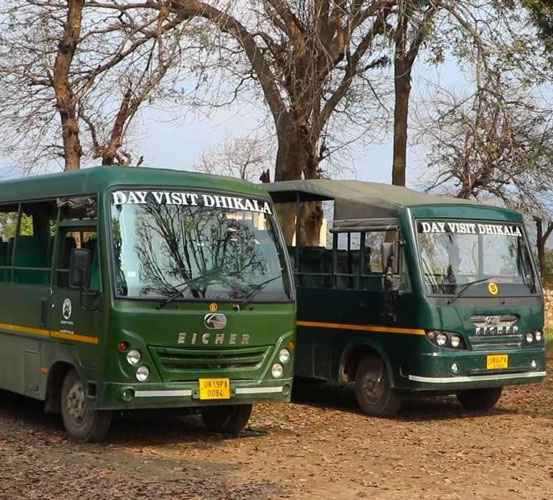
Jeep Safari : The Jeep Safari in Rajaji National Park offers an exciting way to explore its dense forests and spot wildlife like elephants, leopards, and deer across popular zones such as Chilla and Motichur. Safaris run in the early morning and late afternoon, guided by trained forest officials.
Eco Safari / Nature Safari : The Eco Safari/Nature Safari in Rajaji National Park, especially in the Jhilmil Zone, focuses on birdwatching and exploring wetland ecosystems like marshes and lakes. It offers a peaceful, guided experience ideal for nature lovers and wildlife photographers.
Walking / Nature Trails : The Walking / Nature Trails in Rajaji National Park provide guided forest walks in select buffer areas, allowing visitors to experience the park’s flora and birdlife up close. These trails are ideal for eco-tourists seeking a peaceful, low-impact connection with nature.
Tourism & Safari Zones
Chilla Zone : The Chilla Zone of Rajaji National Park, located between Haridwar and Rishikesh, is the most popular safari area known for elephant sightings, leopards, and rich birdlife. It offers scenic jeep safaris along the Ganges and dense sal forests.
Motichur Zone : The Motichur Zone of Rajaji National Park, near Haridwar, is known for its dense forests, elephants, and diverse bird species. It offers a quieter, less crowded safari experience ideal for nature lovers.
Jhilmil Zone : The Jhilmil Zone of Rajaji National Park, part of the Jhilmil Jheel Conservation Reserve near Haridwar, is known for its marshy wetlands and rare swamp deer (barasingha). It's a haven for birdwatchers and ideal for peaceful nature experiences.
Ranipur Zone : The Ranipur Zone of Rajaji National Park, located on the southern edge near Haridwar, is a peaceful and offbeat area with dense forests and rich biodiversity. It offers limited safari access but is ideal for solitude and nature walks.
Beribara Zone : The Beribara Zone of Rajaji National Park, situated between Haridwar and Dehradun, is known for its tranquil environment and sightings of elephants, leopards, and deer. It offers a quiet, less commercialized safari experience through lush sal forests.
Mohand Zone : The Mohand Zone of Rajaji National Park, located near Dehradun on the Saharanpur–Dehradun road, features hilly terrain and dense forests ideal for leopard and occasional tiger sightings. It's a peaceful zone, perfect for wildlife photography and birdwatching.
Accommodation
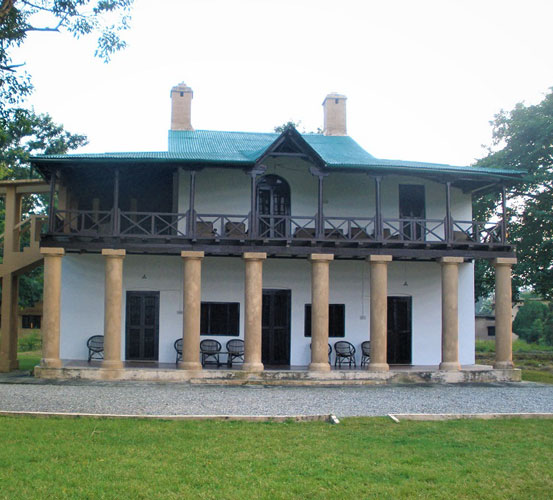
There are several Forest Rest Houses (FRHs) inside the park and resorts, lodges, and campsites outside the gates. Booking in advance is recommended, especially during the tourist season.
Popular places to stay :
- Government-run rest houses (Chilla, Motichur, Beribara)
- Private eco-resorts in areas like Gohri, Chilla, and near Haridwar.
How to Reach
By Road : Easily accessible via NH-58 and NH-72
By Train : Nearest Stations - Haridwar, Rishikesh, Dehradun
By Air : Nearest Airport is Jolly Grant Airport, Dehradun (about 35 km from Chilla gate)