The Jhirna Safari Zone is one of the popular entry points for tourists visiting Jim Corbett National Park, located in the southern part of the park. Unlike the Dhikala zone, which is primarily known for its picturesque landscapes and large grasslands, Jhirna is often favored for its dense forest areas, diverse flora and fauna, and rich wildlife. Here’s a detailed description :
Location & Access
The Jhirna Safari Zone is located in the southern part of Corbett Tiger Reserve, which is easily accessible by road. It is around 16 km from Ramnagar, the nearest town, making it an ideal spot for both domestic and international visitors.
Landscape & Vegetation
- The landscape is a combination of dense forests, open meadows, and riverine ecosystems, offering a diverse natural environment.
- The forest is predominantly made up of sal trees, but you will also find teak, shisham, bamboo, and ber trees.
- The area is home to a variety of bushes and grasses, making it an ideal habitat for herbivores and predators alike.
Wildlife
The Jhirna zone is home to a wide range of wildlife, including :
Bengal Tigers : Though sightings are rare, Jhirna is one of the zones where you might encounter the elusive Bengal tiger.
Leopards : The zone is also known for its leopard population.
Asian Elephants : Often seen in the grassy meadows, they add a majestic charm to the zone.
Sloth Bears : Known to inhabit the dense forest areas, sloth bears are occasionally spotted in Jhirna.
Deer species : Various types of deer like Chital (spotted deer), Sambar, Muntjac (barking deer), and Nilgai (blue bull) are common in this zone.
Wild Boars and Jackals : These are often seen in the open grasslands or near waterholes.
Birds : The zone is a paradise for birdwatchers. It hosts species such as eagles, hornbills, woodpeckers, and kingfishers.
Reptiles : You can also find reptiles like cobras, monitor lizards, and tortoises.
Safari Experience
Jeep Safaris : The primary way to explore Jhirna is by jeep. These safaris allow you to explore the forest's deep interior and the expansive meadows in search of wildlife.
Morning Safari : Typically from 6:00 AM to 9:30 AM.
Evening Safari : From 3:30 PM to 6:30 PM.
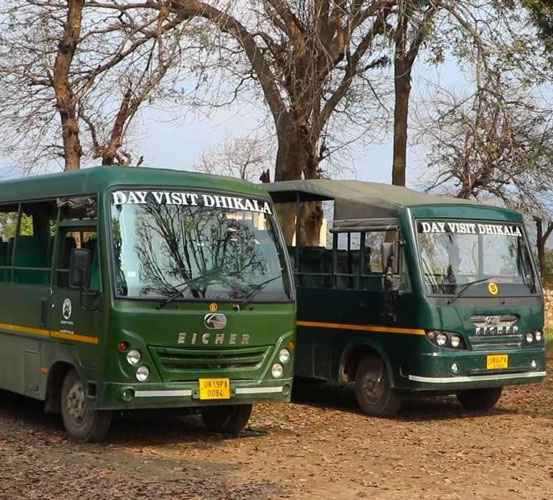
Canter Safari : This is available but less popular in Jhirna due to the rugged terrain, which is better suited to smaller vehicles.
Wildlife Viewing : While tiger sightings are not guaranteed, the diverse wildlife and bird species make this a rewarding safari experience.
Best Time to Visit
The best time to visit the Jhirna Zone of Jim Corbett National Park is from November to June, with the peak season typically falling between March and June. During this period, the weather is warmer, and wildlife sightings are more frequent, as animals tend to gather around water sources to stay cool. The summer months, especially from March to June, offer the best chances of spotting larger animals like elephants, tigers, and leopards, as the heat drives them to the waterholes. The winter season (November to February) provides a cooler and more comfortable climate for safaris, though wildlife may be more dispersed. Monsoon season (July to October) is best avoided, as the park is closed for safaris due to heavy rainfall, which makes trails slippery and difficult to navigate. Therefore, visiting between March and June gives you the most favorable weather and optimal wildlife visibility in Jhirna Zone.
Entry & Permits
- Permits are required to enter the Jhirna Zone, which can be obtained through the official Corbett Tiger Reserve booking website or directly from the Forest Department in Ramnagar.
- A limited number of vehicles are allowed each day to maintain the area’s ecological balance and to provide a more serene experience for visitors.
- Booking well in advance is recommended, especially during peak tourist season.
Things to Do
Birdwatching : Jhirna’s diverse ecosystem attracts a variety of birds, making it a perfect spot for birdwatching.
Photography : The natural beauty of Jhirna and its wildlife provide ample opportunities for wildlife photography.
Nature Walks : While not as common, you can request a guided nature walk with a park ranger to learn about the local flora and fauna.