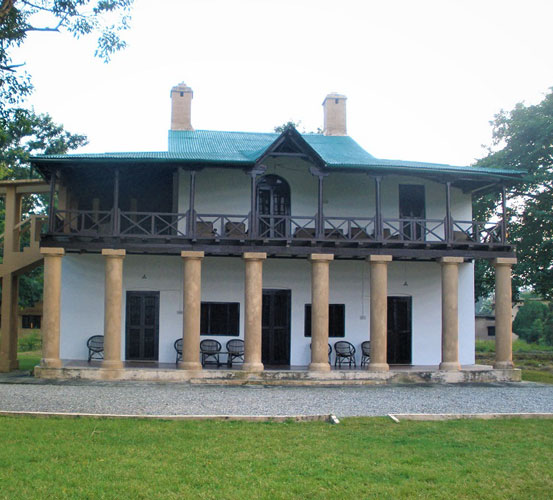
Jim Corbett National Park is one of the most famous and oldest national parks in India, located in the Nainital district of Uttarakhand. It is renowned for its rich biodiversity, scenic beauty, and being the first national park established in India. Let's dive deeper into its history, features, flora and fauna, conservation efforts, and activities.
History and Establishment
Established : 1936 as Hailey National Park in honor of Sir Malcolm Hailey, the then Governor of the United Provinces.
Renamed : In 1957, it was renamed Jim Corbett National Park after the famous British hunter-turned-conservationist, Jim Corbett, who played a key role in its establishment. Corbett was instrumental in the park’s development and in the efforts to save the Bengal tiger.
Significance : It is India’s first national park and was the first to come under the Project Tiger initiative, a wildlife conservation program launched in 1973.
Location
Area : Spanning over an area of approximately 520 square kilometers.
Geography : The park is situated at the foothills of the Himalayas, near the town of Ramnagar, which is about 260 kilometers from Delhi. It is part of the larger Corbett Tiger Reserve, which includes both the National Park and the adjacent Sonanadi Wildlife Sanctuary.
Elevation : The elevation of the park ranges from 1,300 feet to 4,000 feet above sea level.
Flora and Fauna
Jim Corbett is known for its rich flora and fauna, with various ecosystems ranging from grasslands to dense forests and riverine habitats.
Jim Corbett National Park is renowned for its rich and diverse flora and fauna, making it one of the most biologically vibrant wildlife sanctuaries in India. The park is home to over 600 species of plants, including dense sal forests, chaurs (grasslands), and riverine belts, which create a thriving habitat for countless animal species. Among its most famous residents is the majestic Bengal tiger, but the park also shelters leopards, elephants, sloth bears, wild boars, and several species of deer such as sambar, chital, and barking deer. The Ramganga River and its tributaries support aquatic species like gharials, crocodiles, and otters. Bird enthusiasts are drawn to the park's more than 600 species of birds, including the crested serpent eagle, kingfisher, hornbill, and barbet. This rich tapestry of wildlife, set against the backdrop of the Himalayan foothills, makes Jim Corbett National Park a haven for nature lovers and wildlife photographers alike.
Conservation Efforts
Project Tiger : As part of the Project Tiger initiative, the park has been crucial in the preservation of Bengal Tigers. It is one of the most successful tiger reserves in India.
Eco-tourism : The park has developed a sustainable eco-tourism model, where tourists can experience the park while also contributing to conservation efforts.
Habitat Restoration : The forest department works on improving the habitats and corridors for tigers and other species, reducing human-animal conflicts, and ensuring better management of wildlife populations.
Tourism & Activities
Jim Corbett National Park is a popular tourist destination, especially for wildlife enthusiasts, photographers, and nature lovers. It offers a range of activities for visitors
Safari Rides
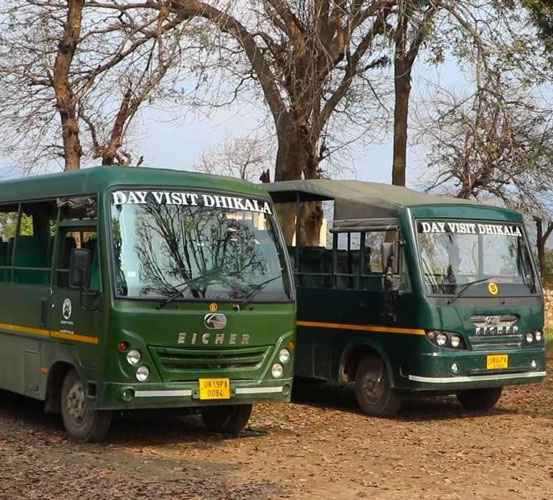
Safari rides in Jim Corbett National Park are the main attraction for wildlife lovers. You can choose between Jeep Safari (6-seater), Canter Safari (16-seater), or Elephant Safari (limited zones). Popular zones include Dhikala, Bijrani, Jhirna, Dhela, and Durga Devi. Safaris operate in two slots daily – morning and afternoon – with best chances of spotting tigers, elephants, and deer. Advance booking and valid permits are mandatory, especially for core zones.
Bird Watching
Jim Corbett National Park is a paradise for bird watchers, with over 600 species of resident and migratory birds. Prime spots for birding include Sitabani, Dhela, Bijrani, and areas near the Kosi River. Winter months (November to February) are ideal for spotting migratory species. Common sightings include hornbills, kingfishers, woodpeckers, eagles, and flycatchers. Guided birding walks or safaris enhance the experience, especially for serious enthusiasts.
Nature Walks
Nature walks in Jim Corbett offer a peaceful way to explore the forest outside the core zones. Sitabani Forest Reserve is the most popular area for guided nature walks, rich in flora, birds, and small wildlife. These walks are ideal for those wanting a slower, immersive experience in nature. You can observe animal tracks, bird activity, and diverse plant life with the help of a local guide. Early mornings are best for clear views, cool weather, and active wildlife.
Adventure Activity
Jim Corbett offers several adventure activities beyond wildlife safaris. River rafting in the Kosi River is popular during the monsoon and post-monsoon months. Rock climbing, rappelling, and zip-lining are available at select resorts and adventure camps. Camping in forested zones like Sitabani or near rivers adds a wild touch to the experience. These activities combine thrill with natural beauty, perfect for adventure lovers.
Best Time to Visit
Winter (November to February) : This is the peak tourist season when the weather is cool and comfortable, with clear skies. It’s also the best time for bird watching.
Summer (March to June) : The heat can be intense, but this is the best time to spot tigers as they are more likely to come to waterholes.
Monsoon (July to September) : The park remains closed during the monsoon season due to heavy rains, which can make roads unsafe and cause disruption in safari operations.
Safari Zone
Jim Corbett National Park has several safari zones, each offering unique landscapes and wildlife experiences. Dhikala is the most famous zone, known for tiger sightings and overnight stays. Bijrani features dense forest and grasslands, ideal for jeep safaris. Jhirna and Dhela are open year-round and good for spotting sloth bears, deer, and birds. Durga Devi and Sitabani offer hilly terrain and are great for birdwatching and peaceful nature drives.
How to Reach
The most popular entry gate is Ramnagar, which serves as the main hub for park visits. Most zones (like Dhikala, Bijrani, Jhirna, etc.) are accessed via Ramnagar.
By Road : Easily accessible from major cities. From Delhi, it's about 250 km (5–6 hours) via NH9. Private taxis and buses are available.
By Train : The nearest railway station is Ramnagar (12 km from the park). Trains like Ranikhet Express and Corbett Link Express connect it to Delhi.
By Air : The nearest airport is Pantnagar Airport (80 km away). For more flight options, use Indira Gandhi International Airport, Delhi, then travel by road/train.
By Bus : Direct buses to Ramnagar run from Delhi (ISBT Anand Vihar) and nearby cities like Haldwani and Nainital.