Corbett Tiger Reserve (CTR), located in the Nainital district of Uttarakhand, India, is the oldest and one of the most prestigious national parks in the country. Established in 1936 as Hailey National Park, it was later renamed in honor of the legendary hunter-turned-conservationist Jim Corbett. Today, it stands as a shining example of successful wildlife conservation, especially for the Royal Bengal Tiger.
Covering an area of 1,318 sq. km, the reserve includes core and buffer zones that are home to an incredible variety of flora and fauna. It is part of the larger Terai Arc Landscape and plays a crucial role in Project Tiger, India's flagship tiger conservation program launched in 1973.
Geographical Features
Total Area : 1,318.54 sq. km.
Core Zone (Jim Corbett National Park) : ~520 sq. km.
Buffer Zone : Surrounding reserve forests and wildlife sanctuaries.
Elevation Range : 400–1,200 meters above sea level.
Landscape : Hills, grasslands, riverine belts, sal forests, and marshy depressions.
Main Rivers : Ramganga, Kosi, and their tributaries
Zoning & Tourism
Tourism Zones / Entry Gates
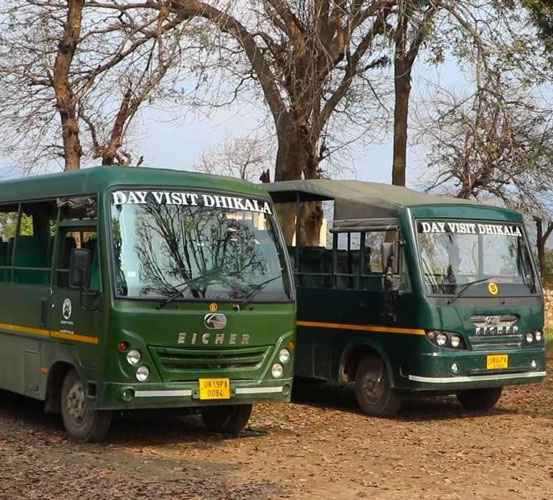
Corbett is divided into several ecotourism zones, each with different access, accommodation & rules. Some zones allow day visits, others allow stays inside forest lodges.
Major zones include : Dhikala, Bijrani, Jhirna, Sonanadi, Durgadevi, Dhela.
Safari Activities
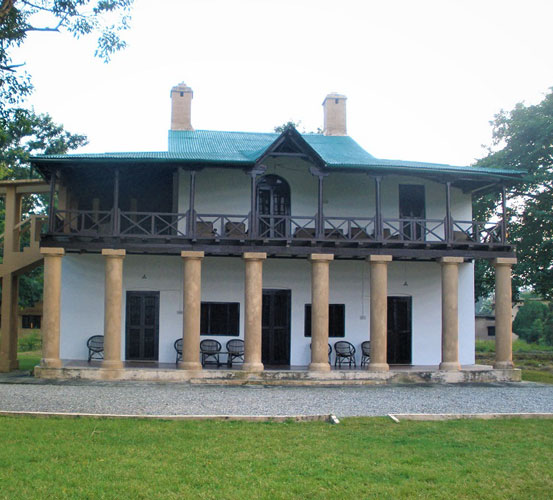
Visitors can do jeep safaris, elephant safaris in certain zones, watchtowers, nature walks (where permitted), birdwatching, sometimes overnight stays in forest rest houses or lodges.
Visitor Regulations
To protect wildlife, number of vehicles per safari, timing, routes are regulated. Permits required. Carrying capacity calculated to avoid overcrowding.
Climate & Ecology
Terrain & Topography
The reserve has varied terrain : valleys (“duns”), ridges, plateaus, ravines, riverine tracts, and floodplains. The altitude ranges from ~360m to ~1,040m above sea level.
Rivers & Water Systems
Major rivers include the Ramganga (a lifeline), the Sonanadi, Kosi, Mandal, Palain, etc.These support riparian ecosystems, grasslands, wetlands. Some deep pools and rapids are part of the river flows.
Forest Types & Vegetation
Multiple forest types: moist deciduous, dry deciduous, subtropical pine, riverine (riparian) vegetation, savannah/grassland patches (chaurs) etc. Dominant trees include Sal, Khair, Sissoo, etc.
Climate & Seasons
Summers: warm to hot. Winters: cooler. Monsoon brings heavy rainfall in some parts.Temperature ranges roughly 0‑42°C depending on altitude and season. Rainfall ~1400‑2800 mm/year depending on locale.
Conservation Significance
- First park under Project Tiger.
- Plays a key role in preserving the Terai ecosystem.
- Research and conservation center for tigers and elephants.
- Community-based eco-tourism supports local livelihoods.
Rules & Guidelines
- Entry only with valid permit and ID proof.
- Safari bookings should be made well in advance (especially for Dhikala).
- No littering or loud noises.
- No off-trail driving or feeding animals.
- Follow the guide and driver’s instructions at all times.
Flora & Fauna (Biodiversity)
Flora
There are hundreds of species of plants. Forest types include moist deciduous, dry deciduous, riverine forests, grasslands. Trees like Sal, Shisham, Chir, Haldu, Pipal, Mango etc are present.
Fauna
Mammals : Tigers (Bengal tiger), Asiatic elephant, leopard, sloth bear, wild boar, deer (multiple kinds e.g. sambar, spotted, barking deer), hog deer, etc.
Birds : Over 550-580 species (some sources ~580) of birds.
Leopards : Several species, crocodiles (or gharials in some parts?), snakes etc.
How to Reach
Nearest Town : Ramnagar (HQ for Corbett Tiger Reserve).
By Train : Ramnagar Railway Station (well connected to Delhi, Moradabad, etc.).
By Road : Approx. 250 km from Delhi (6-7 hours drive).
By Air : Nearest airport is Pantnagar Airport (around 85 km away)
Best Time to Visit
The best time to visit Jim Corbett National Park is from November to June, when the weather is pleasant and wildlife sightings are at their peak. During the winter months (November to February), the park experiences cool and comfortable temperatures, making it ideal for safaris and birdwatching, as migratory birds arrive in large numbers. This period also offers a higher chance of spotting tigers and other animals, as they are more active in the cooler climate. From March to June, the summer heat causes animals to gather around water sources, improving the chances of sightings near rivers and waterholes. Although the temperatures can rise during this time, it's still a great season for wildlife enthusiasts and photographers. The monsoon season (July to mid-October) is generally not recommended for visits, as heavy rainfall leads to slippery roads, limited visibility, and the closure of most tourism zones (except Jhirna and Dhela). Therefore, for the best experience, plan your visit between November and June, depending on your preferences for climate, crowd levels, and specific wildlife interests.