Ranthambore National Park is one of the largest and most renowned national parks in Northern India. It was established as a wildlife sanctuary in 1955 and declared a Project Tiger reserve in 1973. In 1980, it became a national park.
Covering an area of approximately 1,334 sq. km (with core area of about 392 sq. km), Ranthambore is famous for its population of Royal Bengal Tigers and is considered one of the best places in the world to see them in their natural habitat.
History & Significance
Originally a royal hunting ground for the Maharajas of Jaipur, Ranthambore was declared a wildlife sanctuary in 1955 and later a national park in 1980. It is now a vital part of Project Tiger, an initiative launched to protect the Bengal tiger and other endangered species.
Landscape & Terrain
- A blend of tropical dry deciduous forest, open grasslands, rocky hills, and ancient ruins.
- Features the Aravalli and Vindhya hill ranges, creating scenic plateaus and valleys.
- The Banas and Chambal Rivers flow through the area, contributing to the lushness.
- Home to several lakes and water bodies, including Padam Talao, Raj Bagh Talao, and Malik Talao.
Geography & Landscape
The park is situated at the edge of the Vindhya mountain ranges, featuring rugged terrain with rocky hills, dry deciduous forests, open grassy meadows, and lakes. This mix of habitats supports a rich variety of wildlife.
One of the park’s striking features is the Ranthambore Fort, an ancient fortification dating back to the 10th century, located within the park boundaries. The fort adds historical and cultural significance to the natural landscape.
Flora
Ranthambore’s vegetation is mostly dry deciduous forest with teak, dhok, and khair trees dominating the landscape. During the monsoon, the park turns lush green, while the dry season brings a golden hue to the grasslands and foliage.
Fauna
Ranthambore National Park is best known for its population of Bengal tigers. It’s one of the prime tiger reserves in India and attracts wildlife enthusiasts and photographers from around the world who come for tiger sightings. Other notable animals include :
- Leopards
- Sloth bears
- Indian wolves
- Striped hyenas
- Chital (spotted deer)
- Sambar deer
- Wild boar
- Jackals
- Nilgai (blue bull)
- Marsh crocodiles
Birdlife
The park is also a birdwatcher’s paradise with over 300 species of birds recorded. Common species include painted storks, eagles, kingfishers, owls, and a variety of migratory birds.
Best Time to Visit
The park is open to visitors from October to June. The best time to spot tigers is generally during the dry season (April to June) when animals gather near waterholes. The park remains closed during the monsoon season (July to September) due to heavy rains.
Activities
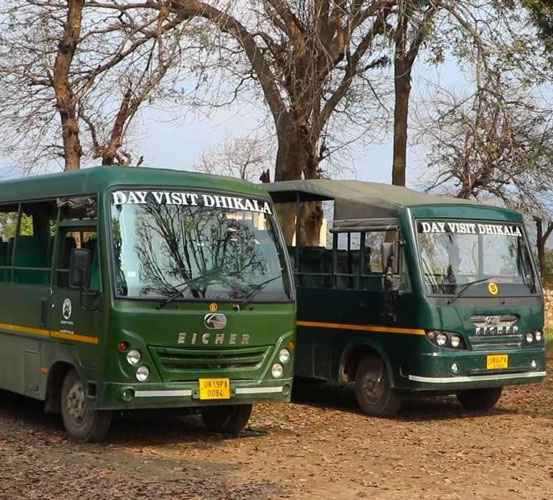
Visitors typically explore Ranthambore National Park through jeep safaris and canter safaris led by trained guides and forest officials. The safaris offer thrilling opportunities to witness tigers and other wildlife in their natural habitat. Photography, birdwatching, and exploring the ancient Ranthambore Fort are other popular activities.
Tourism & Safaris
Ranthambore is a popular destination for wildlife enthusiasts, photographers, and nature lovers. The park is divided into several zones, and tourists can explore these zones through jeep safaris or canter rides. Safari timings are usually early morning and late afternoon to increase chances of wildlife sightings.
Visitors also get to explore the Ranthambore Fort, which offers panoramic views of the park and has several ancient temples and ruins inside.
Conservation
As part of Project Tiger, Ranthambore plays a crucial role in tiger conservation efforts. Strict anti-poaching measures, habitat management, and community involvement have helped increase the tiger population over the years.
Tourist Attractions
Ranthambore Fort
- A majestic 10th-century fort located within the park.
- Offers stunning panoramic views of the park.
- Features ancient temples, massive gates, and battlements.
- A UNESCO World Heritage Site and a blend of history with wildlife.
Tiger Safari
- The main attraction of Ranthambore, where visitors get a chance to see Bengal tigers in their natural habitat.
- Jeep and canter safaris are organized inside the park.
- Early morning and late afternoon safaris offer the best wildlife viewing opportunities.
Surwal Lake
- A scenic lake inside the park, great for birdwatching.
- Many animals come here to drink water, increasing the chance of sightings.
- Surrounded by thick forest and rocky terrain.
Raj Bagh Ruins
- Ruins of an old palace within the park.
- Surrounded by dense forest and rich in wildlife.
- A good spot for photography and spotting animals.
Jogi Mahal
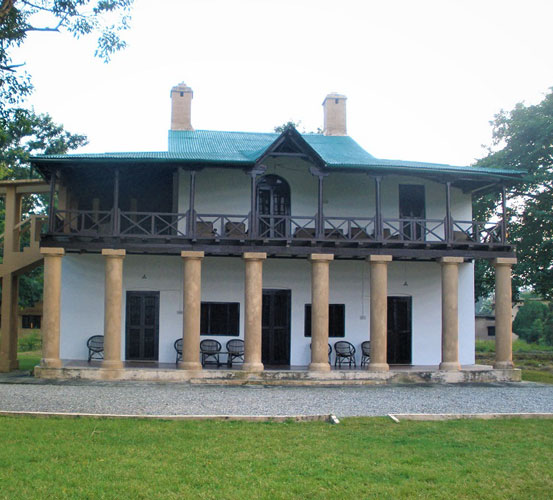
- A heritage hunting lodge located near the Ranthambore Fort.
- Offers a glimpse into royal hunting traditions.
- Now sometimes used as a tourist rest house or heritage hotel.
Kachida Valley
- Known for its rich wildlife, especially leopards and tigers.
- A less crowded area inside the park, providing a more secluded safari experience.
Raj Bagh Ruins
- Historic remains of a hunting lodge built in Mughal style.
- The area is known for frequent tiger sightings
Chauth Mata Temple
- A famous temple dedicated to Goddess Chauth Mata.
- Located near the entrance of Ranthambore National Park.
- Popular among devotees and tourists alike.
How to Reach
By Road : Well connected by road, with regular buses and taxis from Jaipur and other nearby cities.
By Train : Sawai Madhopur Railway Station is well connected to major cities like Delhi, Jaipur, and Mumbai.
By Air : The nearest airport is Jaipur International Airport (~130 km away).