Bandipur National Park is one of India’s premier wildlife sanctuaries, situated in the southern state of Karnataka. It forms a significant part of the Nilgiri Biosphere Reserve and is contiguous with other important reserves like Nagarhole National Park, Mudumalai Wildlife Sanctuary, and Wayanad Wildlife Sanctuary. This creates a large protected area that is crucial for the conservation of many endangered species, especially the Bengal tiger.
Location - Gir National Park is located in the state of Gujarat, India, primarily in the Junagadh district. It spans an area of approximately 1,412 square kilometers.
Established - It was established as a wildlife sanctuary in 1965 and later declared a national park in 1975.
Significance - Gir National Park is famously known as the last natural habitat of the Asiatic Lion (Panthera leo persica). It is the only place in the world where these lions exist in the wild. Due to extensive conservation efforts, the Asiatic lion population has been gradually increasing here, making Gir a symbol of successful wildlife conservation in India.
Geography & Terrain
The park is situated on the Kathiawar Peninsula and features a diverse landscape of dry deciduous forests, thorny scrub, grasslands, and rocky hills. The terrain varies from flat areas to rugged hills, with several small rivers and water bodies that support the flora and fauna.
Terrain : The park features dry deciduous forests, moist deciduous forests, and shrublands, along with rocky hills and river valleys.
Climate : Tropical climate with distinct wet and dry seasons. Summers (March to May) can be hot and dry, monsoons (June to September) bring heavy rainfall, and winters (November to February) are mild and pleasant.
Vegetation : Dominated by teak, rosewood, sandalwood, bamboo, and various shrubs and grasses, supporting a diverse range of fauna.
History & Establishment
Bandipur National Park was originally established as a tiger reserve in 1974 under Project Tiger, one of India’s flagship conservation programs aimed at protecting tigers and their habitats. The area was once part of the hunting grounds of the Maharaja of Mysore. The park’s creation was a significant step in conserving the rich biodiversity of the region.
Wildlife
Tigers : Bandipur is famous for its healthy tiger population and is one of the best places in India for tiger sightings.
Elephants : Large herds of wild Asian elephants roam the park freely.
Other Mammals : Leopards, gaur (Indian bison), sloth bears, dhole (wild dog), sambhar deer, chital (spotted deer), barking deer, langurs, and monkeys.
Birdlife : The park is a birdwatcher’s paradise with over 200 species including peacocks, kingfishers, woodpeckers, and various raptors.
Reptiles : Includes species like crocodiles, monitor lizards, and a variety of snakes.
Flora
The vegetation is typical of dry deciduous forests, including species like Acacia, Dhavda, Khejri, Babul, and various types of shrubs and grasses. These plants provide essential cover and food for the animals.
Fauna
Bandipur is famous for its rich and diverse wildlife, especially large mammals. It is a crucial habitat for the Bengal tiger and Indian elephant. Some of the key species found here include:
Asiatic Lions : The flagship species, numbering over 600 in recent years.
Other Mammals : Leopards, jungle cats, hyenas, jackals, sambar deer, chital (spotted deer), nilgai (blue bull), wild boars, and Indian pangolins.
Birds : Gir is also home to over 300 species of birds, including peafowl, Indian rollers, painted storks, and various migratory birds.
Reptiles : Various snakes and lizards inhabit the park as well.
Conservation Efforts
The park is managed by the Gujarat Forest Department, which has implemented strict anti-poaching measures and habitat restoration programs. Gir’s success is a global example of how targeted conservation can bring back a species from the brink of extinction.
Tourism
Gir National Park is a popular destination for wildlife enthusiasts and photographers. Safaris are conducted in designated vehicles during specific times of the day to allow visitors to see lions and other wildlife in their natural habitat. Nearby attractions include the Devaliya Safari Park, which is a fenced area with higher chances of spotting lions and other animals.
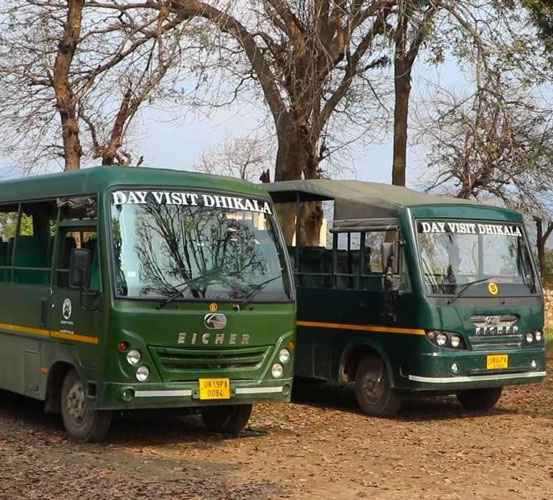
Safari : Jeep safaris are the primary mode of exploration, usually early morning and late afternoon to increase chances of wildlife sightings.
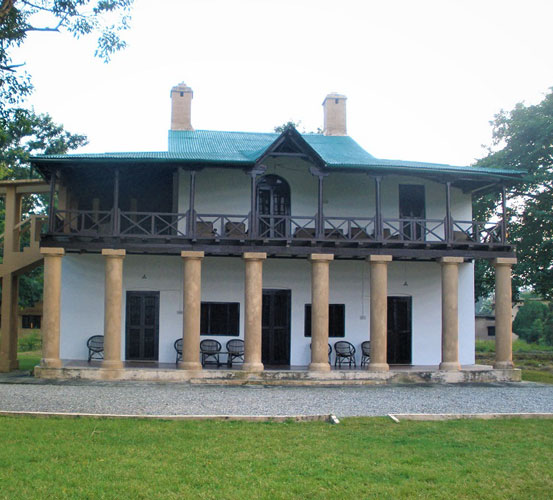
Facilities : The park offers forest rest houses, guest lodges, and campsites.
Rules : Visitors are advised to follow park regulations, maintain silence, and avoid littering.
Best Time to Visit
The park is generally open from mid-October to mid-June. The winter months (November to February) offer a comfortable climate for visitors.
Importance
Ecological : Bandipur forms part of the Nilgiri Biosphere Reserve, a UNESCO-designated biosphere, helping preserve the Western Ghats ecosystem.
Economic : Supports eco-tourism and provides livelihoods to local communities.
Cultural : The park has cultural significance with various indigenous communities living in the surrounding areas.
Scientific : Important for research on tropical forest ecosystems, large mammal behavior, and conservation strategies.
How to Reach
By Road : Bandipur National Park is well-connected by road and can be reached via NH766 from cities like Mysore (80 km) and Bangalore (220 km). Regular buses and taxis are available from these cities to the park.
By Train : The nearest railway station to Bandipur National Park is Mysore Junction, about 80 km away. From there, you can take a taxi or bus to reach the park.
By Air : To reach Bandipur National Park by air, the nearest airport is Mysore Airport, about 80 km away. You can hire a taxi or take a bus from the airport to the park.