Jim Corbett National Park, located in the Nainital district of Uttarakhand, India, is not only renowned for its tigers and elephants but is also a birdwatcher’s paradise. Spanning over 520 square kilometers, it hosts more than 650 species of birds, making it one of the richest bird habitats in India and a prime destination for ornithologists, photographers, and nature enthusiasts.
Why Bird Watching in Corbett?
Immense Biodiversity : Corbett lies at the confluence of the Himalayan and Indo-Gangetic plains, offering a rich mix of bird species from both biogeographic zones.
Different Habitats = Diverse Birds : From riverine belts and marshy depressions to dense forests and open grasslands, Corbett’s varied topography provides habitats for a wide variety of birds.
Geographical Location : Located at the junction of the Himalayan and Indo-Gangetic regions, Corbett acts as a transition zone and hosts species from both regions.
Seasonal Migrants : During winter (October to March), migratory birds arrive from as far as Siberia, Central Asia, and the Himalayas, making it the best time for serious birding.
Birding Hotspot
Corbett’s unique topography — comprising dense sal forests, riverine belts, grasslands, and hills — creates a wide range of habitats for diverse bird species. It lies at the confluence of the Sub-Himalayan belt and the Gangetic plains, making it a crucial corridor for migratory birds.
Watching Zones
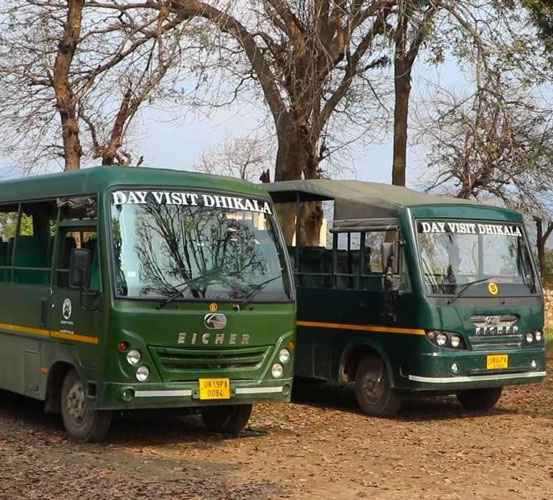
Dhikala Zone
- Rich in birdlife due to varied habitats: grasslands (Chaurs), riverbanks, sal forests.
- Species : Crested Serpent Eagle, Changeable Hawk-Eagle, Great Hornbill, Collared Falconet, numerous warblers
- Best for raptors and large ground birds like Great Slaty Woodpecker and Black Francolin.
Bijrani Zone
- Dense forest area with open meadows
- Good for woodpeckers, jungle fowl, parakeets, and thrushes
- Birding often combined with jeep safaris
Sitabani Buffer Zone
- Located outside the core park area, ideal for walking birding tours.
- Great for forest and Himalayan foothill species.
- Sightings include : Chestnut-headed Bee-eater, Oriental Pied Hornbill, White-crested Laughingthrush.
Kosi River & Garjia Temple Area
- Rivers attract water birds and kingfishers.
- Great place to spot Ibisbill (winter), Brown Dipper, Plumbeous and White-capped Redstarts.
Mohaan to Marchula Road (along the Kosi River)
- Excellent roadside birding.
- Look for Long-tailed Broadbill, Maroon Oriole, and various babblers.
Lohachaur & Durga Devi
- Higher elevation, forested valleys and streams.
- Ideal for blue whistling thrush, forktails, and minivets.
Best Time for Bird Watching
Winter (November to March) : Peak birding season. Many migratory species visit, and the forest is less dense, making bird spotting easier.
Monsoon (July to September) : Some areas closed due to rain, but post-monsoon is great for local breeding birds.
Summer (April to June) : Dry season makes water bodies ideal for spotting water-dependent species.
Bird Watching Experience
Morning and evening walks or safaris are the best time for bird watching. The cool air and soft light make it easier to spot and photograph birds. Birding is often done on foot in the buffer zones or along the forest edge, or by vehicle during jeep safaris.
Photography Tip : A DSLR or mirrorless camera with at least a 300mm zoom lens is ideal. Binoculars are essential.
Bird Watching Gear & Essentials
- Binoculars (8x42 or 10x42 preferred).
- Bird field guide (e.g., Birds of the Indian Subcontinent by Grimmett et al.).
- Camera with telephoto lens (300mm+).
- Notebook or birding app (eBird, Merlin).
- Comfortable, dull-colored clothes.
- Sun protection, hat, insect repellent.
- Water and light snacks.
Bird Watching Activities
River Safaris : Cruising the Ramganga River offers a unique perspective for spotting aquatic birds like kingfishers and storks.
Guided Walks : Embarking on walks through dense forest areas allows for close encounters with various bird species. Trained birders often accompany visitors, enhancing the experience.
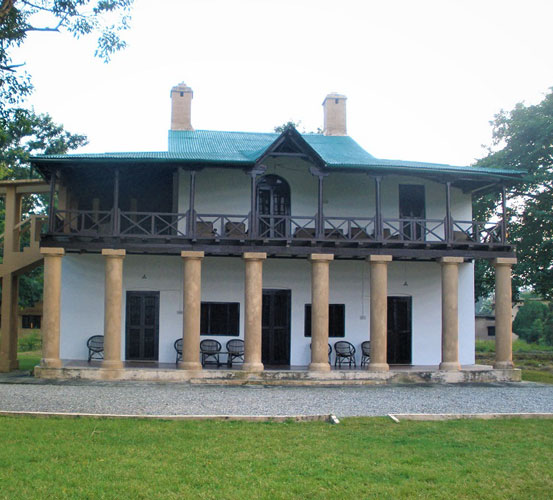
Overnight Stays : Spending nights at forest lodges, such as the Dhikala Forest Lodge, provides opportunities for early morning and late evening birding sessions.