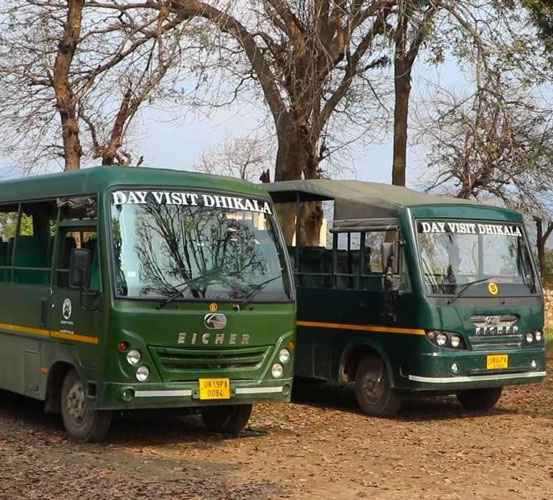
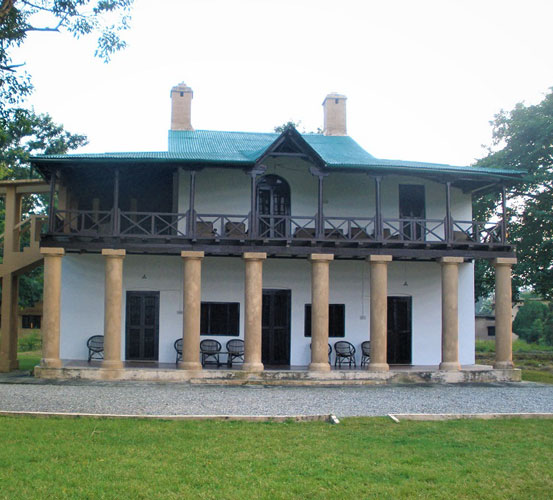
Located in the foothills of the Nainital District in Uttarakhand, India, the Pawalgarh Conservation Reserve (often simply called “Pawalgarh”) was officially notified on 14 December 2012 and covers about 58.25 sq km. It lies mostly in the “bhabhar” belt (lower Himalayan foothills) and is characterised by a mosaic of Sal (Shorea robusta) forests, riverine terrain, grasslands and rocky river-beds.
Why it’s Great for Bird-Watching
- The reserve boasts 365 species of birds recorded to date.
- It offers a variety of habitats—dense Sal forests, riverine strips, grasslands—which means many different bird communities.
- Unlike many other wildlife areas where you must stay in vehicles, in Pawalgarh there are walking trails / on-foot bird-watching options, which allow closer, quieter encounters.
- For woodpecker enthusiasts: the area is noted for around 16 species of woodpeckers, including the large Great Slaty Woodpecker in the old-growth Sal forest patches.
Birds & Notable Species
You can expect a Wide range of common and specialised species in different niches. Some highlights :
- Woodland and forest species: For example, the “Great Slaty Woodpecker”, “Nepal WrenBabbler”, “White‐rumped Needletail”, “Long-tailed Broadbill”.
- Raptors, vultures and large birds : Black‐eared Kite, Bearded Vulture, Himalayan Vulture, Egyptian Vulture, etc.
- Waterbirds / riverbed / grassland species : Painted Stork, Asian Openbill, Glossy Ibis, Little Grebe, etc.
- Game/ground birds : Kalij Pheasant, Red Junglefowl, Indian Peafowl, etc at the forest/edge zone.
- Many migratory species come in during certain seasons, increasing the variety.
Best Time to Visit & Birding Tips
- Best Months : According to some sources, October to March is very good for birds (especially migratory species).
- Early morning is prime: Dawn to around 11 am is frequently when birds are most active.
- For woodpeckers and forest species: post-monsoon to early winter may show great activity and good forest condition.
- Wear muted colours, go slow on foot trails, respect quietness (birds respond better when undisturbed).
- Bring good binoculars / scope if you have; forest light may be challenging so camera + lens can help.
- Stay close to trails, riversides, forest edges: many species use edge habitats.
- Local guide is beneficial : The local nature‐guides of PPP have training and know the terrain. Using one enhances your chance to spot rarer species.
How to Reach
- Nearest Railway Station : Ramnagar (approx 20 km by road from Pawalgarh) as per one source.
- Nearest Airport : Pantnagar (75 km mentioned from Pawalgarh) in one source.
- By Road : From Delhi approx 256 km, etc, as given in one site.
- Because it’s rural/hilly access, plan for morning arrival or good vehicle.
Stay / Accommodation
- Homestays in villages: E.g., PPP homestays in Pawalgarh village, Kyari, Kotabagh.
- Basic forest rest houses (FRH) and private camps may also exist.
- Staying in the village-homestay gives immersing nature + community experience (which many birders appreciate).
Tips & Things to Note
- Respect local wildlife & habitats: Stay on marked trails, avoid loud noises, don’t disturb nests.
- Carry water, snacks, sunscreen, insect repellent – especially on longer walks.
- Early morning is cold in the forest; carry a light jacket or thermal layer (even in Uttarakhand plains foothills).
- For photography : Choose good lenses (200-400mm if possible), tripod/mono-pod helps in forest shadows.
- For counting species: Keep a checklist. PPP provides a “Birds of Pawalgarh” checklist.
- Stay for at least 2-3 days if you’re serious about birding – the variety is large and one morning may not cover much.
- Respect local accommodation and village culture: Staying in homestay means sharing local space, being respectful is important.
- Check for any local rules, fees, forest department permits (especially if accessing deeper trails).
- Best to go when fewer tourist crowds so you get quiet trails; weekdays or off-peak might be better.
- Trail difficulty : Some may be hilly, muddy after rain, so appropriate footwear (hiking shoes) is advised.